
Industrial Waste Incineration Services in Houston, TX
Excel Industrial Group uses a carefully controlled process to destroy a wide variety of industrial waste, including hazardous materials. Our powerful industrial solid waste incineration units reduce the waste to ash, gases, and heat to destroy dangerous compounds and filter, treat, and properly dispose of the remains. Call to request an estimate for professional industrial waste incineration in Houston, TX, and the surrounding areas.
What Is Industrial Waste & When Should It Be Incinerated?
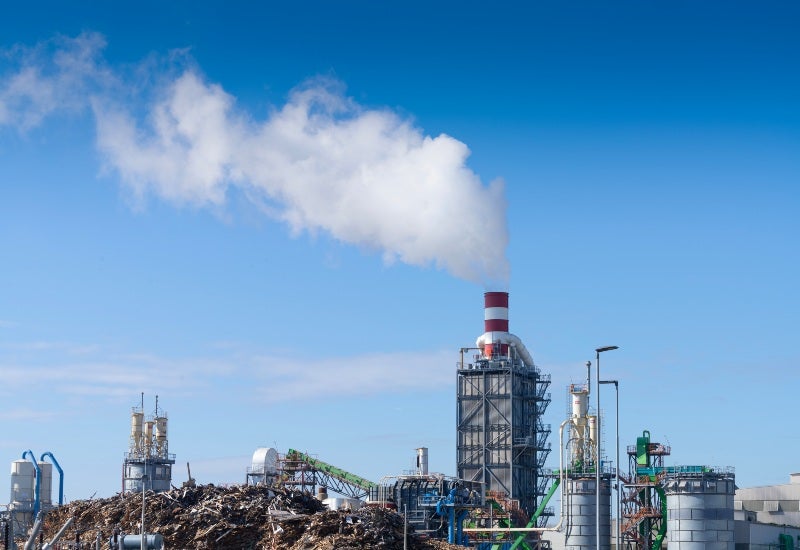
Industrial waste is classified as any unwanted solid, liquid, or gas that results from industrial processes. It can include scrap metal, chemicals, solid waste, ash and slag, organic materials, and sludge and dust. Industrial waste must be incinerated if it is hazardous, poses immediate harm to the environment or people, is ignitable, reactive, corrosive, or toxic, or if its volume needs to be reduced for proper disposal. Some of the most common reasons that you need industrial and hazardous waste incineration are:
- Properly dispose of industrial waste classified as hazardous due to ignitability, corrosivity, reactivity, or toxicity
- Reduce the volume of waste for proper disposal
- Properly clean up contaminated waste
- Destroy pathogens and harmful toxins
- Divert waste from landfills
Understanding Industrial & Hazardous Waste Incineration
Our state-of-the-art processing facility follows all industry and regulatory protocols for the proper incineration of industrial waste. The general process for incineration includes:
- Waste Removal and Preparation – We offer industrial and hazardous waste removal services. We begin by collecting and analyzing the waste, then transporting it in specialized containers to our facility.
- Pre-Treatment – We sort, ground, or shred the waste to remove large items and prepare it for more efficient burning.
- Initial Incineration – We load the waste into our sealed incinerators and burn it at temperatures ranging from 1,800 to 2,500 degrees Fahrenheit. This destroys all organic contaminants and reduces the volume of the waste.
- Secondary Combustion – We then begin a secondary combustion process that destroys unburned gases and remaining contaminants in a secondary chamber of the incinerator.
- Emission Control and Removal of Pollutants – All hot gases are cooled, and the cooled gases pass through pollution control devices that scrub, neutralize, and remove ash, dust, and heavy metals.
- Ash Management – The resultant ashes are then collected, analyzed for hazardous traces, and disposed of according to industry regulations.
How Does an Industrial Hazardous Waste Incinerator Work?
We use powerful, industrial incinerators that thoroughly destroy all hazardous and harmful materials. The process works by using a high-temperature, enclosed chamber that burns the waste under controlled conditions. This reduces the waste volume, destroys toxic compounds, and produces ash, water vapor, and gases. These are then treated in a secondary process to filter and remove pollutants.
Different Types of Industrial Waste Incinerators
There are a few different types of industrial solid waste incineration units. The one used will depend on the physical state of the waste (liquid, solid, or gas) as well as its composition, volume, and whether it is medical waste, hazardous waste or non-hazardous industrial waste. The most common incinerators used for industrial waste are:
- Rotary Kiln Incinerators – Uses a rotating combustion chamber that continuously moves the waste, which allows it to vaporize for efficient burning. Can handle solids, liquids, and sludges.
- Moving Grate Incinerators – Moves waste through a combustion chamber via a moving grate. Most commonly used for solid waste.
- Fluidized Bed Incinerators – Material is fluidized by air to create efficient combustion and even heat distribution. Used for sludge.
- Liquid Injection Incinerators – Injects liquid waste into the combustion chamber, where it mixes with hot gases for total destruction.
- Direct Flame or Fixed Grate Incinerators – The most standard type of incinerator, which uses a stationary grate to burn waste directly.
- Catalytic Combustion or Waste-Gas Flares – Used to destroy toxic or hazardous gases by passing them over a catalyst that promotes combustion for safe disposal.
Benefits of Incineration of Industrial Waste
Incinerating industrial waste offers economic, environmental, and safety benefits. Here’s a closer look at the benefits of industrial waste incinerators:
- Reduction of volume for more waste disposal options
- Reduced transportation costs
- Protection of groundwater and environment
- Potential for energy recovery
- Offset of fossil fuels
- Reduced carbon footprint and greenhouse gas emissions
- Neutralizes dangerous materials
- Controlled destruction of potentially dangerous chemicals and substances
- Odor and pest control
- Recovery of resources
- Compliance with regulations
Call to Get a Personalized Quote
Call now or reach out to us online to get a personalized quote for industrial waste incineration in Houston, TX, or the surrounding areas. Our specialists at Excel Industrial Group offer a range of industrial waste management services, including industrial waste removal and disposal, incineration, and industrial cleaning services. We also offer 24/7 environmental cleanup and emergency spill response services, waste analysis, and product recovery solutions.
Why Choose Us?
- We Excel At Efficiency
- Over 25 Years of Experience
- Experts In Managing Waste, Chemical & Co-Product Needs