
Common Violations in Hazardous Waste Management
Violations in Disposing Hazardous Waste in Houston, TX
A comprehensive hazardous waste management program is crucial to remain compliant with local and federal regulations and protect public health and the environment. Non-compliance can result in financial and legal liability, damage to your company’s reputation, and risk to public health and local ecosystems. Unfortunately, many companies end up committing violations when disposing of hazardous waste in Houston, TX. This is due to a combination of negligence, ignorance, and lack of time, resources, and proper education or training. Here is a closer look at the most common improper disposal of hazardous waste, along with the risks and implications.
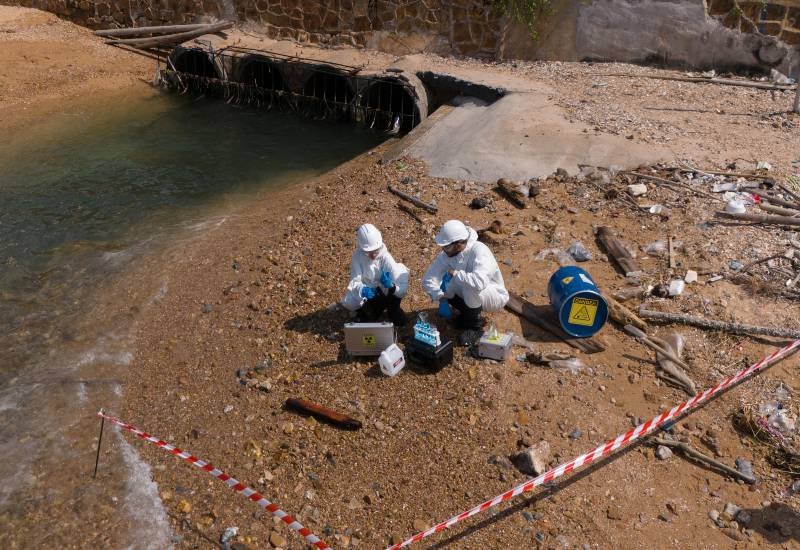
What Is Hazardous Waste?
Hazardous waste is any waste or byproduct that is potentially harmful to human or wildlife health or the environment. This includes materials that are toxic, chemically reactive, flammable, or corrosive. Some examples of hazardous waste include:
- Solvents
- Manufacturing byproducts
- Solvent-based paint and pigments
- Pesticides and herbicides
- Garden chemicals
- Motor oil and automotive fuels
- Pharmaceuticals
- Batteries
- Cleaning and polishing chemicals
Importance of an Environmental Contingency Plan
An environmental contingency plan is a blueprint for how you will respond to a threat or emergency. The goal is to prioritize safety, protect the environment and public health, and mitigate risk. The plan should include toxic and hazardous waste management, preventive measures, and emergency spill or disaster containment. A plan is important because it:
- Outlines steps for handling emergencies, which can improve response time
- Reduces the risk of accidents and spills
- Protects the environment and surrounding communities
- Ensures compliance with local and federal regulations
- Reduces the risk of financial liability
- Ensures business continuity
- Allows you to prepare for the unknown
Most Common Ways Companies Fail at Hazardous Waste Disposal
Your company could be at risk of improper waste disposal and not even realize it. Some of the most common violations in hazardous waste management include:
- Improperly labeling containers or not labeling them with hazard warnings.
- Storing products in the wrong type of container or leaving hazardous waste containers open.
- Not performing a hazardous waste determination during disposal.
- Keeping expired or outdated waste.
- Dumping waste down the drain, in a waterway, in the regular trash, in a landfill, or in other unauthorized areas.
- Mismanaging toxic or harmful substances.
- Exceeding accumulation times.
- Not creating an environmental contingency plan.
- Poor recordkeeping.
- Lack of employee training or adherence to protocols.
- Not keeping up with inspections or performing them improperly.
- Delaying corrective actions to address issues found in inspections.
- Exceeding generator limits.
Why You Can’t Risk Improper Disposal of Hazardous Waste
Improper disposal of hazardous waste can harm the environment and human health. Some of the most serious risks are:
- Respiratory problems
- Cancer
- Birth defects
- Skin irritation or burns
- Poisoning
- Developmental delays
- Soil and water contamination
- Ecological harm
- Air pollution
- Fines and legal action
- Costly environmental remediation needs
- Damage to your reputation
Steps to Take to Avoid Improper Waste Disposal
To protect your company, employees, community, and the environment, it’s important to be proactive about mitigating your risk of improper waste disposal. Some of the best practices to avoid violations are:
- Properly test and identify hazardous and toxic waste.
- Segregate hazardous waste and do not mix it with regular garbage.
- Keep different types of hazardous waste separate.
- Use compatible containers that won’t corrode or react with the waste.
- Keep containers properly labeled and closed.
- Designate a specific storage area for hazardous waste.
- Inspect storage areas daily.
- Train employees on the proper handling, storage, transportation, and management of hazardous waste.
- Have an emergency spill containment protocol in effect.
- Contract with a local hazardous waste management company for proper removal and disposal.
- Maintain accurate records.
Penalties for Littering & Improper Waste Disposal
If you are found to be in violation of the RCRA, you may face financial and criminal penalties. Some potential consequences are:
- Fines assessed daily until corrective action is taken
- Financial liability as determined by the RCRA, EPA, or local government agencies
- Cost of proper environmental cleanup and remediation
- Damage to your reputation
- Criminal charges
- Imprisonment
Contact Excel Industrial Group in Houston, TX
Excel Industrial Group can mitigate your risk of financial and legal liability for improper hazardous waste disposal. We specialize in environmental cleanup, product recovery solutions, waste analysis, chemical trading, and industrial waste transportation and disposal. We can assist with everything from industrial tank cleaning and removal to toxic waste disposal and liquid waste transportation. We also offer emergency spill response services in the event of an incident. Call us now or reach out to us online to request an estimate for hazardous waste management services in Houston, TX.