
-
Common Violations in Hazardous Waste Management
Violations in Disposing Hazardous Waste in Houston, TX
A comprehensive hazardous waste management program is crucial to remain compliant with local and federal regulations and protect public health and the environment. Non-compliance can result in financial and legal liability, damage to your company’s reputation, and risk to public health and local ecosystems. Unfortunately, many companies end up committing violations when disposing of hazardous waste in Houston, TX. This is due to a combination of negligence, ignorance, and lack of time, resources, and proper education or training. Here is a closer look at the most common improper disposal of hazardous waste, along with the risks and implications.
What Is Hazardous Waste?
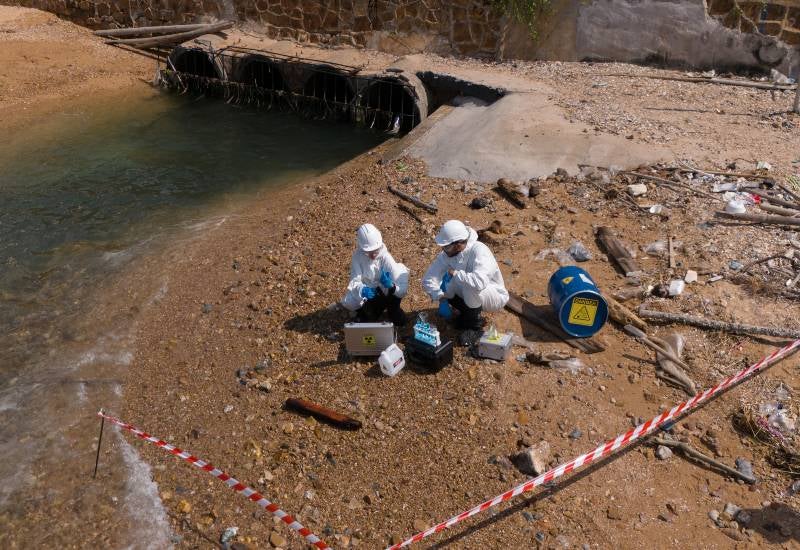
Hazardous waste is any waste or byproduct that is potentially harmful to human or wildlife health or the environment. This includes materials that are toxic, chemically reactive, flammable, or corrosive. Some examples of hazardous waste include:
- Solvents
- Manufacturing byproducts
- Solvent-based paint and pigments
- Pesticides and herbicides
- Garden chemicals
- Motor oil and automotive fuels
- Pharmaceuticals
- Batteries
- Cleaning and polishing chemicals
Importance of an Environmental Contingency Plan
An environmental contingency plan is a blueprint for how you will respond to a threat or emergency. The goal is to prioritize safety, protect the environment and public health, and mitigate risk. The plan should include toxic and hazardous waste management, preventive measures, and emergency spill or disaster containment. A plan is important because it:
- Outlines steps for handling emergencies, which can improve response time
- Reduces the risk of accidents and spills
- Protects the environment and surrounding communities
- Ensures compliance with local and federal regulations
- Reduces the risk of financial liability
- Ensures business continuity
- Allows you to prepare for the unknown
Most Common Ways Companies Fail at Hazardous Waste Disposal
Your company could be at risk of improper waste disposal and not even realize it. Some of the most common violations in hazardous waste management include:
- Improperly labeling containers or not labeling them with hazard warnings.
- Storing products in the wrong type of container or leaving hazardous waste containers open.
- Not performing a hazardous waste determination during disposal.
- Keeping expired or outdated waste.
- Dumping waste down the drain, in a waterway, in the regular trash, in a landfill, or in other unauthorized areas.
- Mismanaging toxic or harmful substances.
- Exceeding accumulation times.
- Not creating an environmental contingency plan.
- Poor recordkeeping.
- Lack of employee training or adherence to protocols.
- Not keeping up with inspections or performing them improperly.
- Delaying corrective actions to address issues found in inspections.
- Exceeding generator limits.
Why You Can’t Risk Improper Disposal of Hazardous Waste
Improper disposal of hazardous waste can harm the environment and human health. Some of the most serious risks are:
- Respiratory problems
- Cancer
- Birth defects
- Skin irritation or burns
- Poisoning
- Developmental delays
- Soil and water contamination
- Ecological harm
- Air pollution
- Fines and legal action
- Costly environmental remediation needs
- Damage to your reputation
Steps to Take to Avoid Improper Waste Disposal
To protect your company, employees, community, and the environment, it’s important to be proactive about mitigating your risk of improper waste disposal. Some of the best practices to avoid violations are:
- Properly test and identify hazardous and toxic waste.
- Segregate hazardous waste and do not mix it with regular garbage.
- Keep different types of hazardous waste separate.
- Use compatible containers that won’t corrode or react with the waste.
- Keep containers properly labeled and closed.
- Designate a specific storage area for hazardous waste.
- Inspect storage areas daily.
- Train employees on the proper handling, storage, transportation, and management of hazardous waste.
- Have an emergency spill containment protocol in effect.
- Contract with a local hazardous waste management company for proper removal and disposal.
- Maintain accurate records.
Penalties for Littering & Improper Waste Disposal
If you are found to be in violation of the RCRA, you may face financial and criminal penalties. Some potential consequences are:
- Fines assessed daily until corrective action is taken
- Financial liability as determined by the RCRA, EPA, or local government agencies
- Cost of proper environmental cleanup and remediation
- Damage to your reputation
- Criminal charges
- Imprisonment
Contact Excel Industrial Group in Houston, TX
Excel Industrial Group can mitigate your risk of financial and legal liability for improper hazardous waste disposal. We specialize in environmental cleanup, product recovery solutions, waste analysis, chemical trading, and industrial waste transportation and disposal. We can assist with everything from industrial tank cleaning and removal to toxic waste disposal and liquid waste transportation. We also offer emergency spill response services in the event of an incident. Call us now or reach out to us online to request an estimate for hazardous waste management services in Houston, TX.
-
Can Older Solar Panels Be Hazardous Waste?
Understanding Proper Solar Panel Disposal in Houston, TX
Investing in solar panels for your business generates clean energy that lowers your reliance on the power grid and reduces your carbon footprint to ensure you don’t contribute to global warming. Yet installing the panels isn’t enough. To fully commit to a sustainable or eco-friendly company, it’s important to know what to do with your panels after they are removed.
Although most solar panels can last between 25 and 35 years with proper care and maintenance, they will eventually need to be replaced. When this happens, you might find yourself wondering how to dispose of old solar panels and whether they can be recycled. The disposal of solar panels is carefully regulated, as some solar panels are considered hazardous or toxic waste. Some contain heavy metals like lead, cadmium, and chromium, which can be bad for the environment as well as human and animal health. The EPA has outlined specific regulations regarding end-of-life solar panel disposal in Houston, TX. Keep reading to learn more.
What Are Solar Panels Made Of?
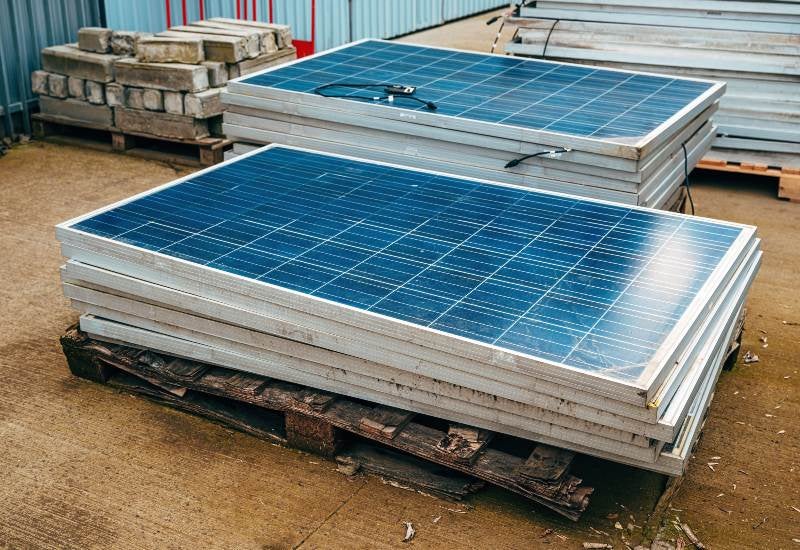
Solar panels are manufactured from a variety of materials. The most commonly used are silicon, glass, aluminum, and plastic polymers. Some panels also use copper or silver wiring and connectors to conduct electricity.
How to Dispose of Solar Panels Properly
Before disposing of old or outdated solar panels, it’s important to research regulations in your state. You must adhere to federal regulations outlined by the EPA as well as local or state guidelines. Your solar installation company can provide resources, or you can turn to a local e-waste or hazardous waste management company for advice. The most responsible methods of solar panel disposal are:
- Manufacturer Take-Back Programs – Contact the solar panel manufacturer to find out if it participates in a solar panel recycling program. Some companies will send you a box to use to return the labels to the manufacturer for proper disposal or recycling.
- E-Waste or Hazardous Waste Disposal Company – If you don’t know who manufactured your solar panels or if the company is no longer in business, you can turn to a local hazardous or toxic waste management company. These companies strictly adhere to local and federal regulations regarding the proper and safe disposal of hazardous materials.
- Donating or Reselling – If your panels still work, you should consider donating them to an organization that will refurbish them and send them to low-income communities. You can also try to resell them online or to a neighbor.
Why You Should Recycle Solar Panels
If you don’t properly recycle your solar panels, they will end up in a landfill. This increases the risk of toxic or hazardous materials leaching into the ground or water. Here’s a look at some of the benefits of choosing recycling as your method of disposal:
- Allow valuable materials like silicon and silver to be reclaimed and reused
- Avoid environmental contamination from toxic materials
- Comply with local and federal regulations and guidelines
- Support a circular economy and minimize landfill waste
- Reduce the need for new mining and manufacturing
- Prevent pollution and lower carbon emissions
- Make solar energy more sustainable and cost-effective for new customers
- Improve supply chain stability
What Happens to Old Solar Panels?
Old solar panels that can’t be recycled will be disposed of according to hazardous and toxic waste disposal regulations. However, most of the parts of old solar panels can be reused or recycled:
- Glass can be used to manufacture new panels or to make new building materials.
- Aluminum frames can be recycled over and over again to make new objects.
- Silicon can be recovered for reuse.
- Copper and silver can be recovered for use in other industries.
- Many other components can be repurposed or recycled into other materials.
Current Federal Regulations for Solar Panel Disposal
Solar panel disposal is governed by the Resource Conservation and Recovery Act (RCRA) and overseen by the EPA. The current regulations established by the RCRA include:
- Solar panels are considered solid waste or hazardous waste.
- Before disposal, panels must undergo a Toxicity Characteristic Leaching Procedure (TCLP) test for classification.
- Panels that have high levels of toxic materials like lead, cadmium, and chromium must be classified as hazardous waste.
- Hazardous materials must be managed according to EPA guidelines for transportation, storage, and disposal.
- Some hazardous panels can be recycled instead of being sent to a landfill.
Environmental Risks of Improper Disposal of Solar Panels
Improper disposal of solar panels can put you at risk of fines, fees, and legal problems due to noncompliance with regulations. It can also pose significant environmental and health risks:
- Contamination of the soil and groundwater
- Damage to food and water sources for animals and humans
- Illness or death of wildlife and people
- Further damage to the ecosystem during the mining of new solar panel materials
Contact Excel Industrial Group in Houston, TX
Before you throw your old solar panels in the trash, consider a more eco-friendly alternative, like recycling or product recovery management. Excel Industrial Group offers full-service toxic and hazardous waste disposal in Houston, TX. Our experts can provide solar panel recovery, recycling, and disposal services in compliance with all local and federal regulations. The methods we use are carefully designed to protect the environment and keep humans and wildlife safe. Call us now or reach out online to learn more about solar panels and other toxic waste disposal services.
-
An Introduction to Soil Pollution
An Introduction to Soil Pollution in Houston, TX
Soil pollution can have a negative impact on plants, animals, the water table, and other environmental elements. When industrial factories do not practice proper waste management, their byproducts could enter the surrounding soil and cause pollution. With correct industrial waste disposal, it is possible to minimize soil pollution in Houston, TX.
What Is Soil Pollution?
Soil pollution is the contamination of soil by toxic chemicals, pollutants, hazardous waste, or contaminants in high enough concentrations that it poses a risk to human health or the ecosystem. While some contaminants occur naturally in the soil, soil pollution is caused by the introduction of higher levels of contaminants than are naturally present.
What Are the Primary Causes of Soil Pollution?
Understanding soil pollution and its causes can help your company design and implement a comprehensive prevention plan. All soils contain a natural level of contaminants like metal, phosphates, sulfates, nitrates, and organic compounds. If the levels of contamination exceed natural levels, the soil is polluted. The most common causes of soil pollution are anthropogenic and natural. Anthropogenic pollution is caused by man, while natural pollution is caused by wind, rainwater, soil disturbances, and animal activity.
- Natural Pollution – Natural pollution is often caused by rainwater or water runoff, animal activity, wind, erosion, or soil disturbances.
- Man-Made Pollution – Man-made pollution is by far the most common cause of soil pollution. Man-made pollution is caused by improper disposal of chemical and industrial waste, including manufacturing, agricultural, and pharmaceutical processes.
Most Common Types of Soil Pollution in the U.S.
Soil pollution is a combination of contaminants and pollutants. Pollutants can be natural or man-made. Contaminants are the byproducts of pollutants. Man-made pollutants are typically the result of agricultural practices, industrial and chemical manufacturing, or radioactive emissions. The most common types of soil pollution in the U.S. are:
- Biological – Biological pollutants are non-native species introduced to the soil, such as contaminants from living organisms.
- Agricultural – Agricultural pollutants include pesticides, fertilizers, herbicides, insecticides, slurry, debris, and manure.
- Radioactive – Radioactive pollutants include radium, thorium, uranium, and nitrogen.
- Urban – Urban waste includes garbage, dried sludge, sewage, and domestic and commercial waste.
- Industrial and chemical – Industrial and chemical waste is generated by paper mills, oil refineries, mines, factories, petroleum production, and other processes. Pollution includes drugs and pharmaceuticals, hazardous waste, cement, glass, steel, and more.
The most common soil contaminants are:
- Arsenic
- Copper
- Herbicides
- Insecticides
- Lead
- Mercury
- Nickel
- Pesticides
- Polyaromatic Hydrocarbons
- Zinc
Understanding the Effects of Soil Pollution
Soil pollution can cause illness, injury, and death to plants, animals, and humans. Soil pollution can increase the risk of illness or disease and affect the nervous and immune systems. Some of the most serious effects of soil pollution are:
- Health problems like developmental disorders, brain damage, neurological conditions, nervous system conditions, and illness
- Increased risk of certain cancers like leukemia
- Damage to crops
- Water and air pollution if soil pollutants wash into rivers or volatile compounds enter the atmosphere
- Loss of habitats for wildlife and loss of biodiversity
- Degradation of land
- Loss of livelihood and economic downturn
The Connection Between Industrial Waste & Soil Pollution
Industrial waste is one of the leading causes of soil pollution. Industrial chemical waste contains toxins and hazardous materials that can contaminate soil, such as lead, zinc, cadmium, arsenic, and mercury. If industrial waste is not properly disposed of or if it leaks from buildings, trucks, or storage containers, it can cause soil pollution, water pollution, and air pollution. It’s crucial to have a comprehensive industrial waste management program in place at any facility that generates industrial chemical waste.
Preventing Soil Pollution
The most effective way to prevent soil pollution is to properly dispose of, recycle, or reuse chemicals or industrial byproducts. You can also reduce the use of certain contaminants like pesticides, insecticides, herbicides, and fertilizers. Some crucial ways you can prevent soil pollution are:
- Reusing or recycling plastics, chemicals, and metals when possible
- Properly disposing of hazardous and non-hazardous waste
- Composting organic waste
- Storing chemicals, fertilizers, pesticides, herbicides, and manure properly
- Using biodegradable and eco-friendly products
- Using soil remediation services if you become aware of a spill or soil pollution
Learn More About Soil Pollution and Remediation Solutions
When you are seeking top-quality industrial waste disposal services or soil remediation services in Houston, TX, look no further than Excel Industrial Group, LLC. Our company can assist you with all of your industrial waste disposal needs, and we will make sure that your waste disposal methods are not causing pollution. To book a consultation with a waste analysis professional, call or contact us online.
-
What Are the Dangers of Lead Exposure?
What Are the Dangers of Lead in Houston, TX?
Lead is a naturally occurring element that is found in the earth. It has some beneficial uses and can be found in gasoline, paint, plumbing pipes, ceramics, batteries, and more. If lead was once used to manufacture so many different products, why is lead exposure dangerous? Lead exposure can cause serious health problems for humans and animals. In high enough levels, lead poisoning can cause seizures, coma, or death. Excel Industrial Group is here to expose the dangers of lead in Houston, TX.
What Is Lead Exposure?
Lead exposure occurs when a person or animal inhales lead powder, dust, or fumes or ingests lead through their mouth or skin due to contaminated food or water, lead on clothing or other surfaces, or cigarettes. Children are more likely to be exposed to lead because they put their fingers and objects in their mouths. They may also develop lead exposure from eating soil or lead paint. Adults can be exposed to lead through their jobs or hobbies. Lead poisoning occurs when high levels of lead build up in the body, typically over months or years. Even small amounts of lead can cause problems, especially in children under six.
Understanding the Dangers of Lead Exposure
There is no safe level of lead exposure for young children. Even at low levels, lead exposure can cause illness, mental and physical disabilities, developmental issues, muscle pain, fatigue, loss of appetite, headaches, and stomach cramps. Lead poisoning or high levels of lead exposure can be deadly. The most common complications of lead exposure are:
- Developmental disorders and growth delays
- Cardiovascular problems
- Seizures
- Kidney disease
- Anemia
- Brain damage
- Nervous system disorders
- Reproductive health issues
- Chronic pain
Being Aware of Common Causes of Lead Exposure
Children and adults can come into contact with lead via contaminated air, soil, water, and food. You can also be exposed to lead through batteries, gasoline, or lead paint. The most common causes of lead exposure are:
- Paint
- Batteries
- Solder
- Pipes
- Pottery
- Roofing materials
- Imported cosmetics
- Water pipes
- Plumbing fixtures
- Copper pipes
- Food cans
- Imported goods
- Soil
- Household dust
- Imported toys
- Herbal or folk medicines
- Mexican candy
- Chocolate
- Bullets
Risk Factors for Lead Exposure
You may be more likely to be exposed to lead due to your age, environment, or occupation. The most common risk factors for lead exposure include:
- Age – Young children are more likely to be exposed to lead.
- Environment – People who live in older homes may be exposed to lead paint. You may also live or work in an older building that has contaminated soil or water.
- Hobbies or Job – You may be more likely to be exposed to lead if you work with lead-based products, such as those used in furniture refinishing, making stained glass, working with batteries, construction, and radiator repair.
- Use of Imported Goods – If you regularly use products from certain countries with less stringent manufacturing regulations, you may purchase food, cosmetics, supplements, medications, toys, jewelry, or other products that contain lead.
Lead Exposure Symptoms
Lead poisoning symptoms are different in infants, children, and adults. The most common symptoms of lead exposure in infants are:
- Premature birth
- Low birth rate
- Slowed growth
The most common symptoms of lead poisoning or exposure in children are:
- Developmental and growth delays
- Learning difficulties
- Loss of appetite or weight loss
- Fatigue
- Irritability and mood swings
- Abdominal pain, vomiting, or constipation
- Hearing problems
- Vision problems
- Seizures
The most common symptoms of lead exposure or lead poisoning in adults are:
- High blood pressure
- Cardiovascular problems
- Kidney problems
- Headaches
- Memory and concentration issues
- Joint and muscle pain
- Mood disorders
- Fertility problems
- Miscarriage, stillbirth, or premature birth
What to Do if You Recognize Symptoms of Lead Poisoning
If you think you or your child has been exposed to lead, you should call 911 or make an appointment with your doctor right away. If you aren’t sure if a product you’ve used or been in contact with contains lead, you should call the National Poison Control Hotline.
Why Choose Excel Industrial Group
At Excel Industrial Group, we specialize in environmental cleanup services, including contamination spill services, soil remediation, excavation of contaminated soil, onsite soil solutions, environmental assessments, onsite sampling and testing, and waste analysis. If you suspect you have lead on your property, our team will respond quickly to assess the paint, soil, water, or other materials and determine if there is a threat. If we do find evidence of lead contamination, we offer lead remediation and waste management solutions. We have over 25 years of experience in hazardous waste disposal and are committed to providing efficient, safe, and cost-effective solutions.
Learn More About Lead Abatement & Chemical Waste Management
Proper waste management can help you avoid the effects of lead exposure and keep your family protected. Please do not hesitate to call Excel Industrial Group now or contact us online to learn about our chemical trading and lead abatement services.
-
What Is Chemical Repurposing?
Chemical Repurposing in Houston, TX: What You Need to Know
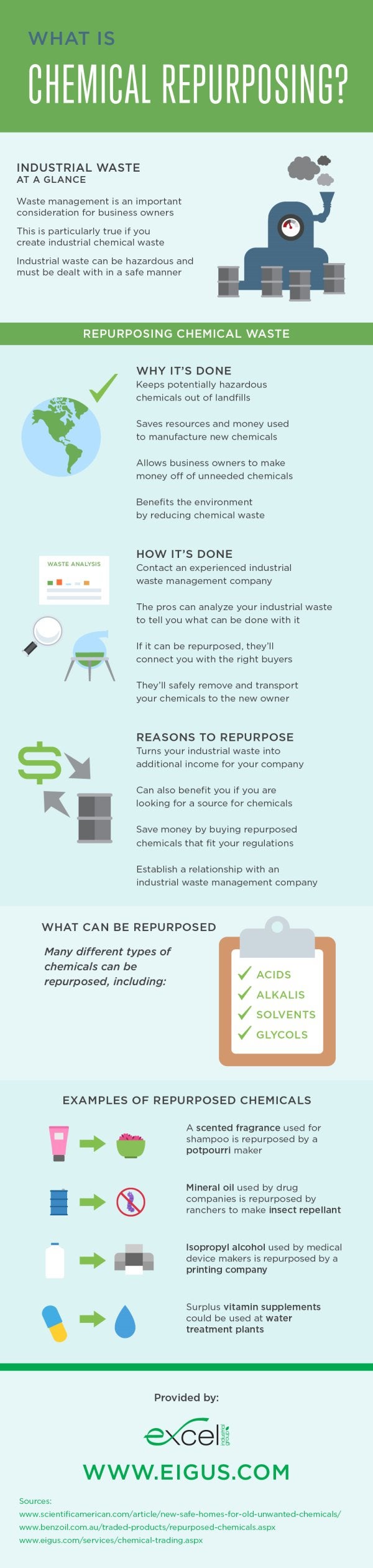
Chemical waste management is a crucial part of manufacturing and industrial processes in Houston, TX. When chemicals are reused or repurposed rather than being sent to landfills, we can reduce our environmental footprint, save money, and prevent chemicals from going to waste. During the chemical repurposing process, chemical materials are evaluated for volume, safety, and viability to determine if they qualify for possible reuse. Excel Industrial Group can facilitate this process by analyzing your chemical and industrial waste, telling you how it can be repurposed, and connecting you with the right buyers or chemical traders. We will then safely remove and transport your chemicals to the new owner.
What Is Chemical Waste?
Chemical waste is any unused, unwanted, or leftover chemical material. Chemical waste can be classified as hazardous waste, non-hazardous waste, universal waste, or household hazardous waste. The rules and regulations surrounding how to handle, store, transport, and dispose of chemical waste depend on the type and amount of waste. Industrial waste is any waste produced by industrial activity that is no longer useful. It can be hazardous or non-hazardous and can be in solid, liquid, or gas form. Chemical and industrial waste can be generated by:
- Manufacturing
- Mining
- Mills
- Factories
- Textile and leather production
- Food processing
- Power plants
- Electronics manufacturing
- Construction and demolition
- Waste treatment and disposal facilities
- Cleaning companies
- Households/consumers
What Is Chemical Repurposing?
If chemical materials are still viable, they can be reused so they don’t end up in a chemical waste disposal facility. Ideal chemicals are ones that are unopened, unexpired, mostly full, and uncontaminated. The containers holding the chemicals must be in good condition and must contain the original manufacturer’s labels. Chemical waste repurposing may be possible for:
- Acids
- Alkalis
- Acetone
- Batteries
- Ethanol SDA
- Ethyl acetate
- Ethylene glycol
- Ferrous sulfate
- Glycols
- Hydrofluoric acid
- Methyl ethyl ketone
- Isopropyl Alcohol
- Metals like lead and aluminum
- Phosphoric acid
- Plastics
- Sodium hydroxide solution
- Solvents
- Some industrial byproducts
- Sulfuric acid
Repurposed chemicals can be used in many different ways:
- Scented fragrances used in shampoo can be repurposed for creating perfume.
- Mineral oil used by drug companies can be repurposed to make insect repellent.
- Isopropyl alcohol used in medical devices can be repurposed by printing companies.
- Surplus vitamins can be reused in water treatment plants.
Why Is Chemical Repurposing Necessary?
To reduce our environmental impact and limit the introduction of non-hazardous and hazardous chemicals into landfills and waste disposal facilities, we should commit to sustainable practices in an effort to create a circular economy. Some chemicals can be recirculated and reused, such as pharmaceuticals, pesticides, and surfactants. Chemical repurposing can save money, reduce environmental impact, and reduce the amount of chemical waste that ends up in chemical waste management facilities. The benefits of repurposing industrial waste and chemical waste are:
- Turn your unused chemical and industrial waste into an additional income stream for your company.
- Help you find a safe, environmentally friendly way to dispose of your chemicals.
- Reduce your environmental impact and make your company greener.
- Reduce your need for chemical waste disposal services.
- Save resources and money used to manufacture new chemicals.
- Keeps potentially hazardous chemicals out of landfills.
- Conserves natural resources.
How to Repurpose Waste from Chemical & Industrial Processes
Chemical waste management is crucial, as chemical and industrial waste can be hazardous and dangerous to the environment. Repurposing chemical waste keeps it out of landfills and allows it to find a second life. If the chemicals are viable, a chemical and industrial waste management company can connect you with a chemical trader or buyer. That company will negotiate a price, and the waste management company will arrange for the safe transportation of your chemicals to their new owner. Before chemicals can be repurposed, they must go through a stringent process:
- Analysis of Chemical Purity – The chemicals must be analyzed to determine if they are of sufficient purity for their new application.
- Established Efficacy or Viability – The chemicals must be tested to ensure they are still effective and viable.
- Safety – The chemicals must be proven to be safe, not contaminated or tampered with, and in a container that is in good condition.
- Properly Labeled – The chemicals must be properly labeled by their original manufacturer.
Why Choose Excel Industrial Group
If you are involved in a business that creates chemical industrial waste, it is essential that you have a waste management plan that complies with all local and federal regulations. Industrial waste can be chemical in nature and may be hazardous. Storing or disposing of unwanted industrial chemicals can create environmental hazards, but chemical waste can be kept out of landfills through chemical repurposing. With our chemical trading services, we can find buyers for your used or unwanted chemicals. Not only does this benefit the environment, but it can translate into extra income for your company. Acids, alkalis, and solvents are just a few of the types of chemicals that can be repurposed and used across different industries.
Contact Us for Chemical Waste Management Solutions
At Excel Industrial Group, we can help you turn potential waste into valuable resources for your company. We specialize in chemical waste management services, industrial waste transportation and disposal, waste analysis services, chemical waste transportation, and chemical trading. Call us now or contact us online to learn more.
-
What Is Asbestos?
Certified Asbestos Abatement in Houston, TX
Asbestos is a hazardous material commonly found in industrial establishments and was formerly a preferred construction solution. It is linked to a wide range of health risks, raising the importance of effective removal. To satisfy these critical procedures, Excel Industrial Group provides full-service asbestos abatement services in Houston, TX.
What Is Asbestos?
Once regarded for its versatility and affordability, asbestos is now known to be problematic. Derived from soil and rock, asbestos consists of six natural minerals characterized by thin, fibrous crystals that cannot be detected by the naked eye. The resiliency of asbestos fibers made it a popular industrial building material in the 20th century.
The History of Asbestos in the United States
Asbestos was formerly a premier choice for product fabrication because of its extended durability, fire resistance, insulating properties, and affordable price point. However, modern research discovered that along with its redeeming qualities, asbestos was also extremely toxic. This caused the induction of stringent asbestos regulations in the 1980s.
The Reality of Asbestos Exposure
While there are regulations surrounding the use of asbestos in the United States, this problematic mineral is not entirely banned. Moreover, the risk of asbestos exposure remains a very real concern. Many older commercial and industrial facilities still feature some form of asbestos product.
Types of Asbestos
Asbestos is a term that covers various forms of asbestos products used in commercial and industrial applications. There are two categories of asbestos, amphibole and serpentine, and six types of asbestos. The amphibole family refers to five forms of asbestos: actinolite, amosite, anthophyllite, crocidolite, and tremolite, whereas the serpentine asbestos family is defined solely by chrysotile.
Chrysotile
Chrysotile, also known as white asbestos, is the only member of the serpentine asbestos family and the most widely used type of asbestos. With superior insulation and fire-proofing properties, chrysotile was favored for construction, accounting for 90-95% of all building asbestos in the United States.
Actinolite
Actinolite asbestos is a darker-colored mineral in the amphibole family. This type of asbestos was commonly used in the manufacturing of cement, paint, drywall, sealants, and insulation products.
Amosite
Amosite, also known as brown asbestos, is an amphibole mineral. It is the second most popular form of asbestos, accounting for approximately 5% of all asbestos used in America. Brown asbestos is typically associated with insulation, tiles, and gaskets.
Anthophyllite
Anthophyllite asbestos is another type of amphibole asbestos. Ranging from yellow to brown, anthophyllite was seldom used for consumer applications. However, it has been found in certain types of insulation and cement products.
Crocidolite
Crocidolite is an amphibole asbestos commonly referred to as blue asbestos. Crocidolite offers reduced heat resistance, so it is far less sought-after than alternative asbestos types. Applications that may contain blue asbestos include tile, insulation, and cement products.
Tremolite
Tremolite is the fifth and final member of the amphibole family. Its color varies from cloudy white to dark green. Tremolite is associated with plumbing materials, paint, and sealing agents.
Risk Categories of Asbestos Products
Asbestos products are classified as friable or non-friable. These classifications indicate the exposure risk of the material. Asbestos products that crumble into a powdery substance when manipulated by hand are known as friable. Non-friable products refer to asbestos fibers contained within a solid material. Friable asbestos products are associated with higher risks than non-friable products.
The Health Risks Associated with Asbestos
Both short- and long-term exposure to asbestos are linked to certain asbestos-related illnesses. Inhaling or ingesting asbestos fibers contributes to a prolonged latency period and gradual development of numerous health conditions, including:
- Laryngeal cancer
- Lung cancer
- Ovarian cancer
- Mesothelioma (cancer of vital organ lining)
- Asbestosis (chronic lung disease)
- Pleural thickening
- Pleural plaques
How to Test for Asbestos
If you suspect the presence of asbestos, it’s imperative to seek professional intervention. Asbestos cannot be simply removed. Demolition or renovation procedures pose the risk of aggravating the asbestos, elevating the likelihood of hazardous exposure. To protect your business and employees, look to our Excel Industrial Group’s certified waste management team.
How to Safely Handle Asbestos Removal
Asbestos abatement is a multistep procedure used to remove asbestos-containing materials. To limit exposure risks, asbestos abatement includes:
- Assessment to detect and test asbestos materials
- Containment to mitigate the risk of airborne asbestos fibers
- Asbestos removal using specialized equipment and detachment techniques
- Compliant hazardous waste disposal procedure
Asbestos Abatement with Excel Industrial Group
We recognize the dangers of improper asbestos abatement. To minimize exposure and restore the safety of your property, we employ a meticulous asbestos abatement process that adheres to all applicable local, state, and federal regulations. With years of expertise and industrial-grade equipment, trust in our experts for effective asbestos and hazardous materials management.
Contact Us for Asbestos & Hazardous Materials Management
When you let our waste management professionals handle your asbestos removal, you avoid unnecessary risks. Partner with our certified team for high-quality site assessments, asbestos, and hazardous materials management services in Houston, TX. For more information or to schedule an inspection, contact Excel Industrial Group today.
-
The Basics of Chemical Recycling
The Basics of Chemical Recycling in Houston, TX
Chemical waste is a byproduct of many different industrial manufacturing processes. If your company disposes of large quantities of chemicals throughout the workweek, it may be time to explore chemical recycling options. For safe and effective solutions tailored to your operational demands, look to Excel Industrial Group in Houston, TX.
What Is Chemical Recycling?
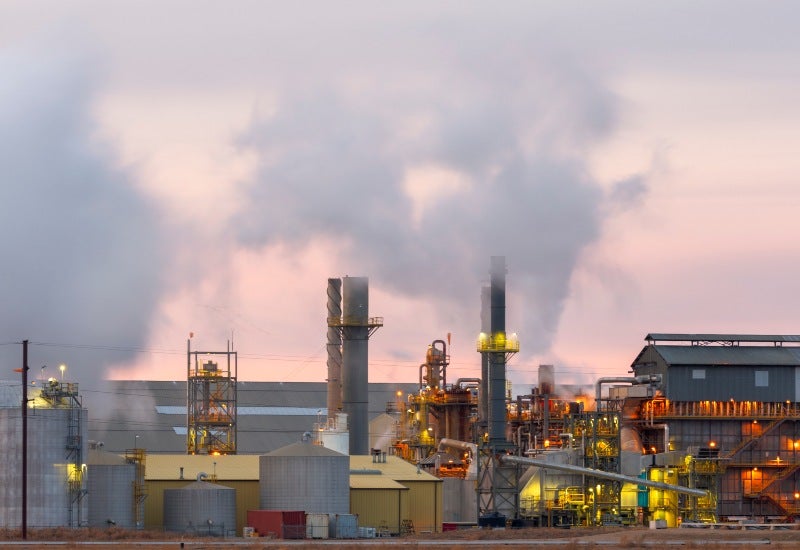
Chemical recycling involves safely disposing of excess chemicals in a way that enables the materials to be reused or repurposed. In contrast to mechanical recycling procedures, chemical recycling does not simply reshape the materials. Working at a molecular level, chemical recycling breaks down waste and restores chemicals to their inherent form or subsequent useable materials.
The Significance of Chemical Recycling
Certain plastics are historically challenging in terms of proper disposal practices. Traditional mechanical recycling methods cannot be used for contaminated plastic waste and/or mixed-polymer waste streams. These subsets of plastic waste account for the majority of all plastic waste streams, raising the importance of incorporating effective chemical recycling procedures into your industrial operations.
The Benefits of Chemical Recycling
There is no substitute for effective chemical recycling. These tailored procedures are linked to many benefits, including:
- Reduced volume of landfill waste
- Natural resource conservation
- Greater sustainability, contributing towards a circular economy
- Minimize greenhouse gas and CO2 emissions
- Recycle and repurpose plastic waste that cannot be handled through mechanical recycling
Sulfuric Acid Recycling
Sulfuric acid is a chemical used in many industries. To recycle it, a processing plant must dilute and evaporate the liquid acid to produce a sulfur trioxide concentrate. The concentrate can then be reused for various applications.
Hydrochloric Acid Recycling
The operations of industrial manufacturing plants that work with steel materials often feature hydrochloric acid. Hydrochloric acid can easily be treated and recycled once it has been used to purify steel. Pyrohydrolysis is the chemical recycling process for hydrochloric acid. This process involves concentration and evaporation procedures to separate the used acid into iron chloride components.
Chemical Recycling of Packing Materials
Polymers are large molecules that make up the chemical structure of various plastic products, including packing materials. Polymers have the potential to be reused for a wide range of applications. However, they are notoriously challenging to dispose of as they cannot be treated using conventional recycling procedures.
What Does Chemical Recycling of Packaging Materials Involve?
Plastic packaging materials account for the world’s largest waste stream. To minimize environmental impact and promote sustainable efforts across varying industrial sectors, chemical recycling processes are encouraged for contaminated and/or complex plastic packaging materials. These recycling demands commonly involve depolymerization achieved through a process called hydrolysis.
Depolymerization for Polymer Plastic Waste
Depolymerization is the primary method used to recycle and decompose contaminated or complex plastic packing materials. Depolymerization blends solvents, heat, and chemistry to break down polymers into their inherent monomer form (smaller molecules). Subsequent depolymerization and chemical recycling procedures include glycolysis, aminolysis, and alcoholysis.
Choose Excel Industrial Group
With decades of expertise, state-of-the-art equipment, and the resources to satisfy a wide spectrum of industrial demands, Excel Industrial Group sets the standard for non-hazardous and hazardous chemical recycling and chemical trading services. With a commitment to sustainability, trust in our certified experts for safe, effective, and compliant waste management solutions that align with your business.
Contact Us for Chemical Recycling Solutions
Excel Industrial Group is proud to be a premier choice for industrial waste disposal and recycling. Entrust your waste management efforts to our full-service non-hazardous and hazardous chemical waste recycling services in Houston, TX. For more information about our acid waste disposal, recycling, and chemical trading services, contact our team today.
-
What You Should Know About Chemical Trading
The Chemical Trading Business in Houston, TX
Turn your company’s chemical waste into profit with Excel Industrial Group. Our experts specialize in chemical trading services for industrial facilities across Houston, TX, and the United States. If you’re new to the chemical trading business, we’ve compiled a collection of frequently asked questions to get you started.
What Is Chemical Trading?
Chemical trading is a standard business practice involving the handling and repurposing of industrial chemicals. This sustainable practice can be used to account for excess chemicals that will otherwise be deemed as unavoidable hazardous waste. With the proper trade partners and logistics, chemical trading is an excellent way to repurpose chemicals and recoup losses.
Important Facts About the Trading of Chemicals
Chemical trading may seem simple in theory. However, this fast-paced and competitive industry can be challenging to navigate without the proper guidance. To get you started on the right track, Excel Industrial Group is here to explore important facts and the ins and outs of chemical material trading.
Prioritize Constant & Efficient Waste Management
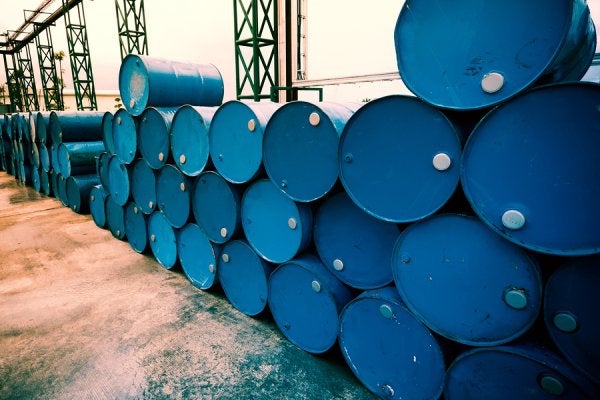
Repurposing industrial waste is not something a business can do haphazardly. The chemical trading business relies on a well-developed plan to ensure proper handling of industrial waste disposal. Constant and efficient waste management is a critical investment to sustain smooth operations, prevent backups, remove waste, and boost profit.
How to Start Trading in Chemicals – The Basics
Venturing into the world of chemical trading requires proactive preparation. First, you will need to examine the volume and type of chemicals you intend to trade. A waste management team may be willing to pay you for extra chemicals you may have, even if they are contaminated or distressed.
Common Chemical Material Trading Products
We are well-versed in the most in-demand chemical trading products. The most commonly bought and traded chemicals include:
- Acids – Sulfuric, hydrochloric, etc.
- Solvents – Acetone, hexane, etc.
- Fuels – Motor oil, gasoline, etc.
- Alcohols – Ethanol, methanol, etc.
- Alkali – Potassium, hydroxide, etc.
- Glycols – Antifreeze, etc.
- Metals – Cobalt, nickel, etc.
- Polymers – PP, PET, etc.
- Monomers – Propylene, etc.
Find the Right Chemical Trading Partner
Chemical trading is a regulated practice, making it crucial to partner with a legitimate business that understands and adheres to the rules. The right partner will have valuable connections and working knowledge of the market. It’s also important to choose a partner equipped to handle the volume and type of chemicals you intend to trade.
Important Chemical Trading Terms
The chemical trading sector has its own language. There are several commonly used terms that you must get familiar with before branching into the industry, including:
- Incoterms – Freight on board (FOB), cost insurance freight (CIF), Cost and Freight (CFR)
- Payment terms – Direct payment (DP) and telegraphic transfer (TT)
- Port of loading/discharge names
Chemical Trading Coordination & Logistics
Depending on the volume and type of chemicals you’re seeking to trade, profit margins may be as little as 5%. To avoid spending more than you’re bring in, it’s essential to be strategic about your logistics planning. Proper packing and efficient trade route planning play a pivotal role in your total landed cost (TLC).
Tips for First-Time Chemical Traders
First-time chemical traders may be overwhelmed by the concept. To empower your latest business venture, we’re here to guide you. Before getting started, there are three key factors to consider, including:
- Get familiar with influential market factors
- Identify your company’s competitive edge
- Research and master import/export regulations
Influential Market Factors
Successful trading in chemicals requires understanding the market. When getting started in the chemical trading sector, it’s important to regularly assess the current trade volumes, prices, and logistics costs. These factors enable you to consider whether it would be more cost-effective for your partner to source a new supplier or to seek an alternative material.
What Sets You Apart
To get ahead of the competition, identify your competitive edge. We recommend asking yourself the following questions:
- Why should companies do business with you instead of a larger/international company?
- Do you offer a specialty, hard-to-source chemical?
- Are you offering surplus chemicals at a better rate than the competition?
- How convenient are the logistics of your transaction?
Always Do Your Research
The chemical trading sector is subject to many compliance standards and regulations. To streamline your transactions, always do your research. If the company looking to buy your excess chemicals is located in another country, do your homework on existing import and export guidelines for your particular industry.
Your Knowledgeable Chemical Trading Partner
Not all companies are equipped or experienced enough to provide proper disposal and storage, but Excel Industrial Group is. With a vast knowledge of industrial chemicals, we know which ones are likely to be repurposed or salvaged. Moreover, we excel in safe handling and proper disposal practices even if your excess chemicals cannot be traded.
Choose Excel Industrial Group
Excel Industrial Group sets the standard for effective chemical trading solutions. We ensure unused chemicals are processed in compliance with local, state, and federal regulations and handled in the safest, most environmentally friendly manner. With an extensive network of resources and potential buyers, we maximize the value of chemicals that would otherwise be deemed hazardous waste.
Contact Us for High-Value Chemical Trading Solutions
If you’re interested in the chemical trading business, you’ve come to the right place. Excel Industrial Group is here to help you master your role as a chemical trader and supercharge your profit. To learn more about the benefits of chemical trading, contact our team today.
-
Understanding the Different Types of Waste Streams
Different Types of Waste Streams
It’s important to effectively manage waste in order to maintain a clean, safe environment and promote sustainable practices. A significant aspect of this management is understanding waste streams—distinct types of waste that originate from various sources and require specific handling methods. Whether you’re a business, municipality, or industrial facility, comprehending the characteristics and types of waste streams is essential to making informed decisions about disposal, recycling, and overall waste management.
What is a Waste Stream?
A waste stream refers to the complete flow of waste from its source through to its disposal. It encompasses all the steps, from the generation of waste, collection, and transportation, to its eventual processing and disposal. Each waste stream contains materials that require different management methods to ensure they are handled safely, efficiently, and in compliance with environmental regulations.
Characteristics of Waste Streams
Waste streams can vary significantly depending on their origin and the materials they contain. Key characteristics include:
- Composition: Waste streams consist of various materials, such as organic matter, plastics, metals, or chemicals, each requiring different treatment methods.
- Source: The origin of waste, whether it be industrial, municipal, or agricultural, defines the waste stream’s characteristics and disposal needs.
- Volume: The quantity of waste generated plays a role in determining the appropriate management strategy, with larger volumes often requiring more complex handling processes.
- Hazard Level: Some waste streams contain hazardous materials, necessitating specialized disposal to protect human health and the environment.
Types of Waste Streams
Waste streams can be broadly classified into several categories, each with unique management requirements:
- Municipal Solid Waste Stream (MSW): This includes everyday items discarded by households and businesses, such as food waste, packaging, and paper products. Proper sorting and recycling are crucial for managing this waste stream effectively.
- Industrial and Commercial Waste Streams: Generated by manufacturing and production activities, these waste streams can include a wide range of materials, from scrap metals to chemical byproducts. Managing industrial waste streams often involves more stringent regulations due to the potential environmental impact.
- Hazardous Waste Streams: Containing materials that pose significant risks to health and the environment, hazardous waste streams must be managed with extreme care. This category includes items like toxic chemicals, batteries, and medical waste.
- Liquid Waste Streams: Comprising wastewater and other liquid residues, these waste streams often require treatment before disposal to prevent contamination of water bodies. Industries and municipalities must manage liquid waste streams effectively to protect water quality.
- Non-Hazardous Waste Streams: These include materials that are not an immediate threat to health or the environment, such as certain types of industrial waste, construction debris, and agricultural waste. While less dangerous, proper management is still vital to minimize environmental impact.
- Construction and Demolition (C&D) Waste Streams: Construction and demolition activities generate significant waste streams composed of materials like concrete, wood, metals, bricks, and glass. These waste streams can also include hazardous components such as asbestos, lead-based paints, or treated wood. Managing C&D waste streams involves sorting and recycling materials to minimize landfill use, reduce environmental impact, and comply with regulations. Proper management of these streams is essential for promoting sustainability in the construction industry while reducing costs associated with waste disposal.
The Importance of Understanding Different Types of Waste Streams
Recognizing and categorizing different types of waste streams is essential for several reasons:
- Environmental Protection: Proper waste stream management helps reduce pollution, conserve resources, and protect ecosystems. For example, separating recyclable materials from solid waste streams ensures they are reused, reducing the strain on natural resources.
- Regulatory Compliance: It’s important to adhere to local, state, and federal regulations regarding waste management to avoid penalties and ensure safe disposal practices. This is especially important for managing hazardous waste streams, which are subject to strict regulations.
- Cost Efficiency: Effective waste management can reduce disposal costs, enhance resource recovery, and even generate revenue through recycling programs. Understanding the types of waste streams your business produces allows you to implement more efficient and cost-effective management practices.
Difference Between Non-Hazardous & Hazardous Waste Streams
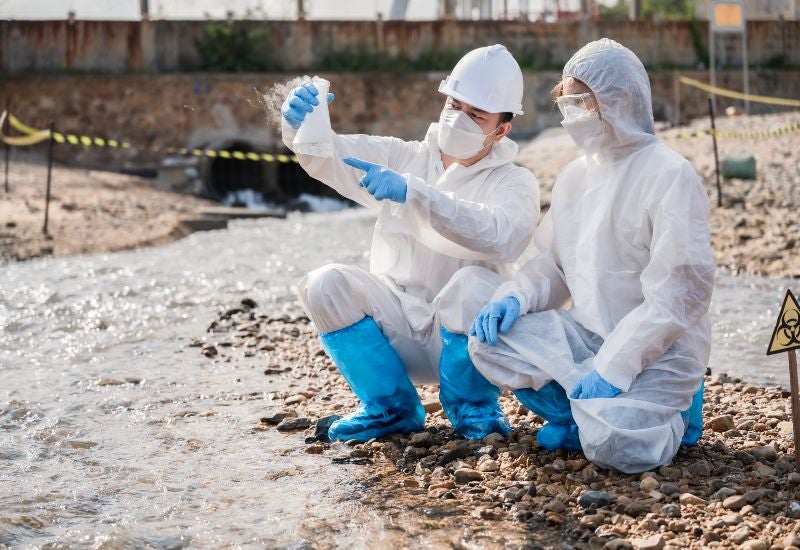
The primary difference between non-hazardous and hazardous waste streams lies in their potential risk to health and the environment. Hazardous waste streams contain toxic, reactive, corrosive, or flammable materials that require specialized handling and disposal. In contrast, non-hazardous waste streams, while still needing proper management, do not pose the same level of risk. Managing hazardous waste streams is more complex and costly, but it is essential for ensuring safety and regulatory compliance.
Why Choose Excel Industrial Group in Houston, TX?
Excel Industrial Group is a leader in waste management services with over 25 years of experience, specializing in both hazardous and non-hazardous waste streams. We understand the complexities involved in managing different types of waste and offer tailored solutions that prioritize safety, compliance, and cost-efficiency. Our expertise extends across all waste types, ensuring your business remains compliant with regulations while minimizing environmental impact. Located in Houston, TX, we provide local businesses with the support they need to manage waste effectively and responsibly.
Contact Us for All Your Waste Solutions in Houston, TX
If you’re looking for reliable and efficient waste management services, Excel Industrial Group is here to help. Our team is ready to provide you with the expert guidance and service you require. Ready to take control of your waste management? Fill out our contact form or call us today to speak with our professional team about your waste solutions in Houston, TX, and learn how we can assist in managing your waste.
-
Characteristics of Hazardous Waste
Evaluating Characteristics of Hazardous Waste
Hazardous waste is an issue that demands attention from every industry, large or small. Properly handling and disposing of hazardous waste is crucial to protecting the environment as well as the safety and health of customers, employees, and the community at large. However, understanding hazardous waste isn’t always straightforward. This article will explore the characteristics of hazardous waste and why managing it effectively is essential.
What is Hazardous Waste?
Hazardous waste is material that poses a major risk to the safety or health of people or the environment due to its physical, biological, or chemical properties. The Environmental Protection Agency (EPA) classifies this waste based on its origin, composition, and potential hazards. These wastes may come from various sources, including industrial processes, laboratories, or even households, and can exist in solid, liquid, or gaseous forms. The diverse nature of hazardous waste means that proper classification and disposal are essential to prevent harmful consequences.
What Does Hazardous Waste Look Like?
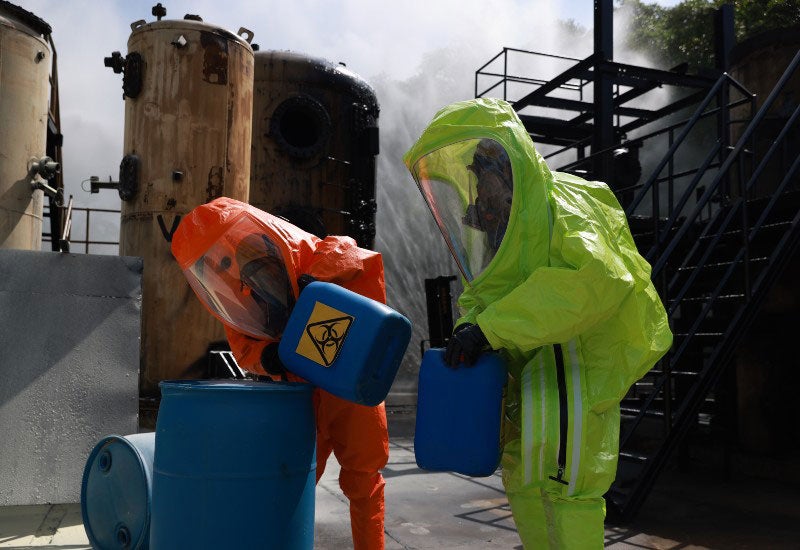
Hazardous waste does not have a single look—its appearance varies widely depending on its type and source. Some hazardous wastes are visibly dangerous, like corrosive acids or highly flammable liquids. Others, like certain solvents or residues from industrial processes, may appear harmless but contain toxic components that require careful handling. It’s important to recognize that hazardous waste isn’t always overtly dangerous in appearance. For instance, a container of mixed radiological wastes or mixed hazardous waste has characteristics that might look similar to a standard chemical container, yet it possesses characteristics that make it much more dangerous.
Characteristics of Hazardous Waste
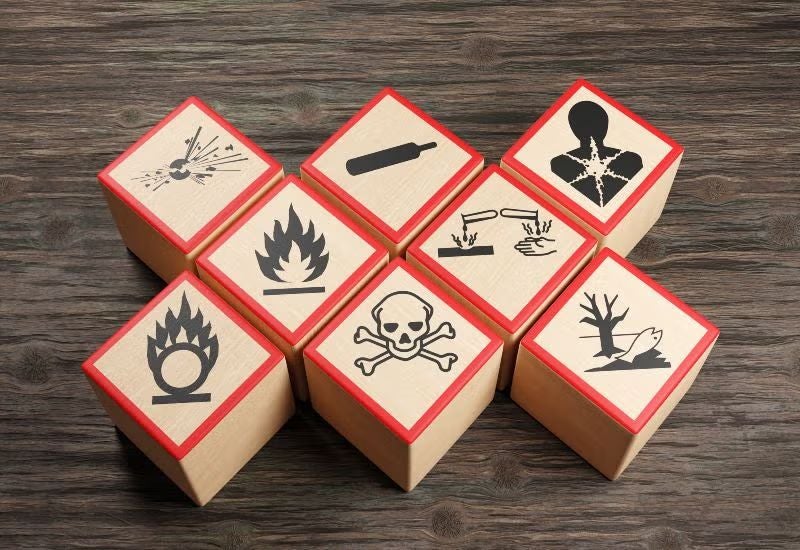
To manage hazardous waste effectively, it is crucial to understand its basic characteristics. Hazardous waste is typically identified by one or more of the following characteristics:
- Ignitability: This type of waste can easily catch fire. Examples include certain liquids with low flashpoints such as solvents and waste oils.
- Corrosivity: Corrosive wastes can destroy or damage other materials or living tissue due to their acidic or alkaline nature. Common examples include battery acids and industrial cleaning agents.
- Reactivity: Under normal conditions, reactive wastes are unstable and can cause explosions, toxic fumes, or other dangerous reactions when exposed to water, heat, or shock. For example, certain cyanides and sulfides fall under this category.
- Toxicity: This type of waste is harmful or fatal when ingested or absorbed. It can pollute the environment by leaching into groundwater. Examples include certain pesticides and heavy metals like lead or mercury.
These basic characteristics of hazardous waste are used to categorize and manage the waste properly. Any waste exhibiting one or more of these traits must be treated with care, ensuring that it does not harm people or the environment during storage, transport, or disposal.
Evaluating Hazardous Waste Characteristics
Evaluating hazardous waste characteristics involves identifying the specific dangers associated with the waste. This process typically requires chemical analysis, safety data review, and adherence to regulatory guidelines. Waste generators must conduct proper evaluations to categorize their waste accurately, ensuring that it meets all legal and safety standards. This evaluation not only helps in identifying the correct hazardous waste category but also in determining the most suitable disposal methods. Proper evaluation is crucial to prevent environmental contamination and ensure compliance with federal and state regulations.
Why Choose Excel Industrial Group in Houston, TX?
When it comes to hazardous waste management, choosing a knowledgeable and experienced partner is essential. Excel Industrial Group in Houston, TX, brings over 25 years of expertise to the table, ensuring that your hazardous waste is handled with care and compliance. We specialize in managing all types of hazardous waste, including mixed hazardous and radiological wastes, providing safe, cost-effective solutions tailored to your needs. Our team understands the unique challenges of hazardous waste management and is committed to delivering efficient, environmentally responsible services.
Contact Us for All Your Hazardous Waste Solutions in Houston, TX
If you’re in need of professional hazardous waste management in Houston, TX, look no further. Excel Industrial Group is your trusted partner for comprehensive waste solutions. From evaluation to disposal, we handle every step with precision and care, ensuring your waste is managed according to the highest standards. Our expert team is here to provide you with tailored solutions for all your hazardous waste needs in Houston, TX. Don’t leave safety to chance—reach out now to speak with our professionals and secure the best waste management services available. Contact us today by filling out our contact form or calling us directly.