
-
Common Violations in Hazardous Waste Management
Violations in Disposing Hazardous Waste in Houston, TX
A comprehensive hazardous waste management program is crucial to remain compliant with local and federal regulations and protect public health and the environment. Non-compliance can result in financial and legal liability, damage to your company’s reputation, and risk to public health and local ecosystems. Unfortunately, many companies end up committing violations when disposing of hazardous waste in Houston, TX. This is due to a combination of negligence, ignorance, and lack of time, resources, and proper education or training. Here is a closer look at the most common improper disposal of hazardous waste, along with the risks and implications.
What Is Hazardous Waste?
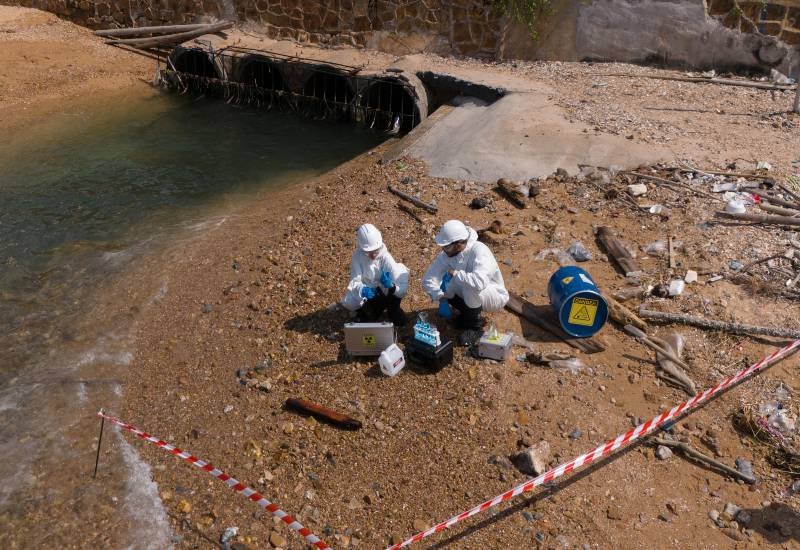
Hazardous waste is any waste or byproduct that is potentially harmful to human or wildlife health or the environment. This includes materials that are toxic, chemically reactive, flammable, or corrosive. Some examples of hazardous waste include:
- Solvents
- Manufacturing byproducts
- Solvent-based paint and pigments
- Pesticides and herbicides
- Garden chemicals
- Motor oil and automotive fuels
- Pharmaceuticals
- Batteries
- Cleaning and polishing chemicals
Importance of an Environmental Contingency Plan
An environmental contingency plan is a blueprint for how you will respond to a threat or emergency. The goal is to prioritize safety, protect the environment and public health, and mitigate risk. The plan should include toxic and hazardous waste management, preventive measures, and emergency spill or disaster containment. A plan is important because it:
- Outlines steps for handling emergencies, which can improve response time
- Reduces the risk of accidents and spills
- Protects the environment and surrounding communities
- Ensures compliance with local and federal regulations
- Reduces the risk of financial liability
- Ensures business continuity
- Allows you to prepare for the unknown
Most Common Ways Companies Fail at Hazardous Waste Disposal
Your company could be at risk of improper waste disposal and not even realize it. Some of the most common violations in hazardous waste management include:
- Improperly labeling containers or not labeling them with hazard warnings.
- Storing products in the wrong type of container or leaving hazardous waste containers open.
- Not performing a hazardous waste determination during disposal.
- Keeping expired or outdated waste.
- Dumping waste down the drain, in a waterway, in the regular trash, in a landfill, or in other unauthorized areas.
- Mismanaging toxic or harmful substances.
- Exceeding accumulation times.
- Not creating an environmental contingency plan.
- Poor recordkeeping.
- Lack of employee training or adherence to protocols.
- Not keeping up with inspections or performing them improperly.
- Delaying corrective actions to address issues found in inspections.
- Exceeding generator limits.
Why You Can’t Risk Improper Disposal of Hazardous Waste
Improper disposal of hazardous waste can harm the environment and human health. Some of the most serious risks are:
- Respiratory problems
- Cancer
- Birth defects
- Skin irritation or burns
- Poisoning
- Developmental delays
- Soil and water contamination
- Ecological harm
- Air pollution
- Fines and legal action
- Costly environmental remediation needs
- Damage to your reputation
Steps to Take to Avoid Improper Waste Disposal
To protect your company, employees, community, and the environment, it’s important to be proactive about mitigating your risk of improper waste disposal. Some of the best practices to avoid violations are:
- Properly test and identify hazardous and toxic waste.
- Segregate hazardous waste and do not mix it with regular garbage.
- Keep different types of hazardous waste separate.
- Use compatible containers that won’t corrode or react with the waste.
- Keep containers properly labeled and closed.
- Designate a specific storage area for hazardous waste.
- Inspect storage areas daily.
- Train employees on the proper handling, storage, transportation, and management of hazardous waste.
- Have an emergency spill containment protocol in effect.
- Contract with a local hazardous waste management company for proper removal and disposal.
- Maintain accurate records.
Penalties for Littering & Improper Waste Disposal
If you are found to be in violation of the RCRA, you may face financial and criminal penalties. Some potential consequences are:
- Fines assessed daily until corrective action is taken
- Financial liability as determined by the RCRA, EPA, or local government agencies
- Cost of proper environmental cleanup and remediation
- Damage to your reputation
- Criminal charges
- Imprisonment
Contact Excel Industrial Group in Houston, TX
Excel Industrial Group can mitigate your risk of financial and legal liability for improper hazardous waste disposal. We specialize in environmental cleanup, product recovery solutions, waste analysis, chemical trading, and industrial waste transportation and disposal. We can assist with everything from industrial tank cleaning and removal to toxic waste disposal and liquid waste transportation. We also offer emergency spill response services in the event of an incident. Call us now or reach out to us online to request an estimate for hazardous waste management services in Houston, TX.
-
Can Older Solar Panels Be Hazardous Waste?
Understanding Proper Solar Panel Disposal in Houston, TX
Investing in solar panels for your business generates clean energy that lowers your reliance on the power grid and reduces your carbon footprint to ensure you don’t contribute to global warming. Yet installing the panels isn’t enough. To fully commit to a sustainable or eco-friendly company, it’s important to know what to do with your panels after they are removed.
Although most solar panels can last between 25 and 35 years with proper care and maintenance, they will eventually need to be replaced. When this happens, you might find yourself wondering how to dispose of old solar panels and whether they can be recycled. The disposal of solar panels is carefully regulated, as some solar panels are considered hazardous or toxic waste. Some contain heavy metals like lead, cadmium, and chromium, which can be bad for the environment as well as human and animal health. The EPA has outlined specific regulations regarding end-of-life solar panel disposal in Houston, TX. Keep reading to learn more.
What Are Solar Panels Made Of?
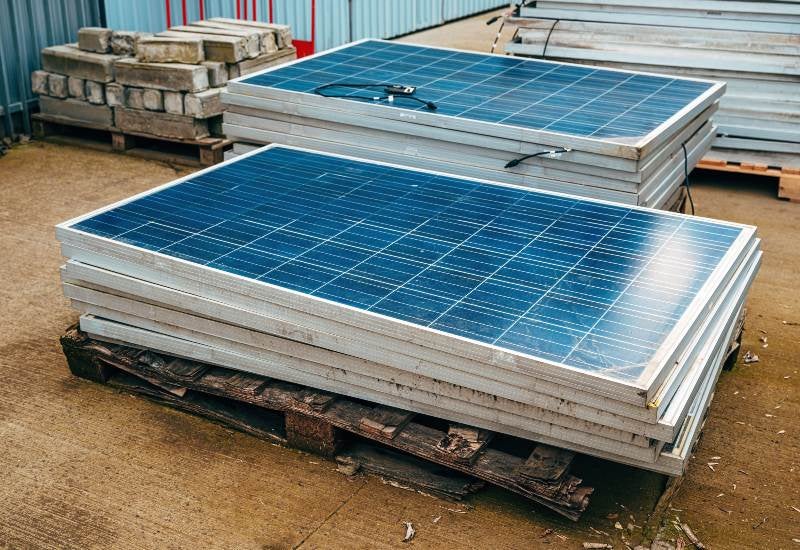
Solar panels are manufactured from a variety of materials. The most commonly used are silicon, glass, aluminum, and plastic polymers. Some panels also use copper or silver wiring and connectors to conduct electricity.
How to Dispose of Solar Panels Properly
Before disposing of old or outdated solar panels, it’s important to research regulations in your state. You must adhere to federal regulations outlined by the EPA as well as local or state guidelines. Your solar installation company can provide resources, or you can turn to a local e-waste or hazardous waste management company for advice. The most responsible methods of solar panel disposal are:
- Manufacturer Take-Back Programs – Contact the solar panel manufacturer to find out if it participates in a solar panel recycling program. Some companies will send you a box to use to return the labels to the manufacturer for proper disposal or recycling.
- E-Waste or Hazardous Waste Disposal Company – If you don’t know who manufactured your solar panels or if the company is no longer in business, you can turn to a local hazardous or toxic waste management company. These companies strictly adhere to local and federal regulations regarding the proper and safe disposal of hazardous materials.
- Donating or Reselling – If your panels still work, you should consider donating them to an organization that will refurbish them and send them to low-income communities. You can also try to resell them online or to a neighbor.
Why You Should Recycle Solar Panels
If you don’t properly recycle your solar panels, they will end up in a landfill. This increases the risk of toxic or hazardous materials leaching into the ground or water. Here’s a look at some of the benefits of choosing recycling as your method of disposal:
- Allow valuable materials like silicon and silver to be reclaimed and reused
- Avoid environmental contamination from toxic materials
- Comply with local and federal regulations and guidelines
- Support a circular economy and minimize landfill waste
- Reduce the need for new mining and manufacturing
- Prevent pollution and lower carbon emissions
- Make solar energy more sustainable and cost-effective for new customers
- Improve supply chain stability
What Happens to Old Solar Panels?
Old solar panels that can’t be recycled will be disposed of according to hazardous and toxic waste disposal regulations. However, most of the parts of old solar panels can be reused or recycled:
- Glass can be used to manufacture new panels or to make new building materials.
- Aluminum frames can be recycled over and over again to make new objects.
- Silicon can be recovered for reuse.
- Copper and silver can be recovered for use in other industries.
- Many other components can be repurposed or recycled into other materials.
Current Federal Regulations for Solar Panel Disposal
Solar panel disposal is governed by the Resource Conservation and Recovery Act (RCRA) and overseen by the EPA. The current regulations established by the RCRA include:
- Solar panels are considered solid waste or hazardous waste.
- Before disposal, panels must undergo a Toxicity Characteristic Leaching Procedure (TCLP) test for classification.
- Panels that have high levels of toxic materials like lead, cadmium, and chromium must be classified as hazardous waste.
- Hazardous materials must be managed according to EPA guidelines for transportation, storage, and disposal.
- Some hazardous panels can be recycled instead of being sent to a landfill.
Environmental Risks of Improper Disposal of Solar Panels
Improper disposal of solar panels can put you at risk of fines, fees, and legal problems due to noncompliance with regulations. It can also pose significant environmental and health risks:
- Contamination of the soil and groundwater
- Damage to food and water sources for animals and humans
- Illness or death of wildlife and people
- Further damage to the ecosystem during the mining of new solar panel materials
Contact Excel Industrial Group in Houston, TX
Before you throw your old solar panels in the trash, consider a more eco-friendly alternative, like recycling or product recovery management. Excel Industrial Group offers full-service toxic and hazardous waste disposal in Houston, TX. Our experts can provide solar panel recovery, recycling, and disposal services in compliance with all local and federal regulations. The methods we use are carefully designed to protect the environment and keep humans and wildlife safe. Call us now or reach out online to learn more about solar panels and other toxic waste disposal services.